
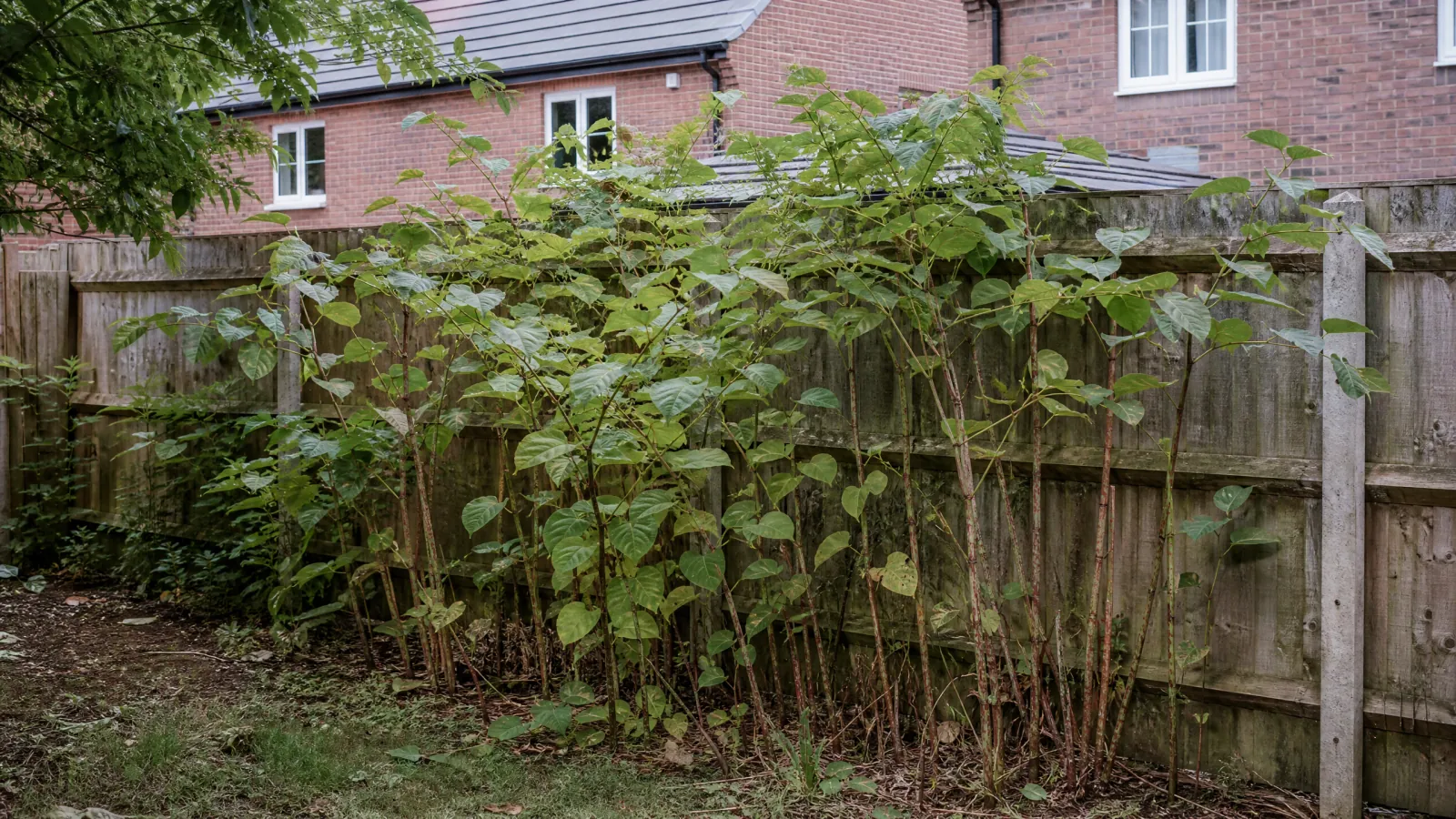
Why knotweed matters
Japanese knotweed is an invasive plant that spreads through underground roots. It can push through weak spots in paving, drains and garden walls, and it is hard to remove once established. It also affects mortgages and insurance, which is why buyers worry about it.
What a survey does and doesn't tell you
A surveyor will note knotweed if they can see it on the property or close to the boundary. It can be hard to spot in winter, when the canes die back, or if it has been cut or covered. A survey is not a specialist knotweed inspection. If the surveyor suspects it, or the seller mentions it, get a specialist survey.
Checks before you exchange
- Ask the seller, through your conveyancer, what their property information form says about knotweed.
- If there is a treatment plan, ask for the plan, the contractor's details and any insurance-backed guarantee, and check it can pass to you.
- Find out where the plant is: on the property, next door, or near the house.
- Tell your lender. Most follow RICS guidance and decide based on how close it is and whether it is being managed.
- Check your buildings insurer will cover the home.
Is it a reason to walk away?
Not always. Knotweed under a professional treatment plan, with a transferable guarantee, is often manageable. Untreated knotweed close to the house, with no plan and no guarantee, is a much bigger risk. Get a quote for treatment and use it to negotiate, or walk away if the risk is too uncertain.
For other findings that can change a purchase, see house survey red flags and what to do if your survey finds problems.
Sources
General information, not legal or financial advice. Your conveyancer and lender advise on your purchase.
How we write our guides. Written by the ClearQuote team from the RICS Home Survey Standard and official UK guidance, and updated when that guidance changes. This is general information, not advice about a specific property: your surveyor’s report covers the home you are buying.