
The short version
| RICS Level 2 | RICS Level 3 | |
|---|---|---|
| Best for | Conventional homes in reasonable condition | Older, larger, altered or unusual homes |
| Inspection | Visual, non-invasive | Visual and more thorough, including more of the roof space and hidden areas the surveyor can safely reach |
| What you get | Condition ratings 1, 2 or 3 for each part of the home | Condition ratings plus likely causes, repair options and how urgent each one is |
| Old name | HomeBuyer Report | Building Survey |
| ClearQuote guide price | from £400 + VAT | from £525 + VAT |
Both surveys follow the RICS Home Survey Standard and are carried out by a RICS surveyor. Neither one moves furniture, lifts fitted carpets or opens up walls. The difference is depth: how much the surveyor looks at, and how much they explain.
When a Level 2 survey is enough
- The home is built from common materials such as brick, block, slate or tile.
- It looks to be in reasonable condition for its age.
- It has not had major alterations, such as a large extension or walls taken out.
- You are not planning big building work after you move in.
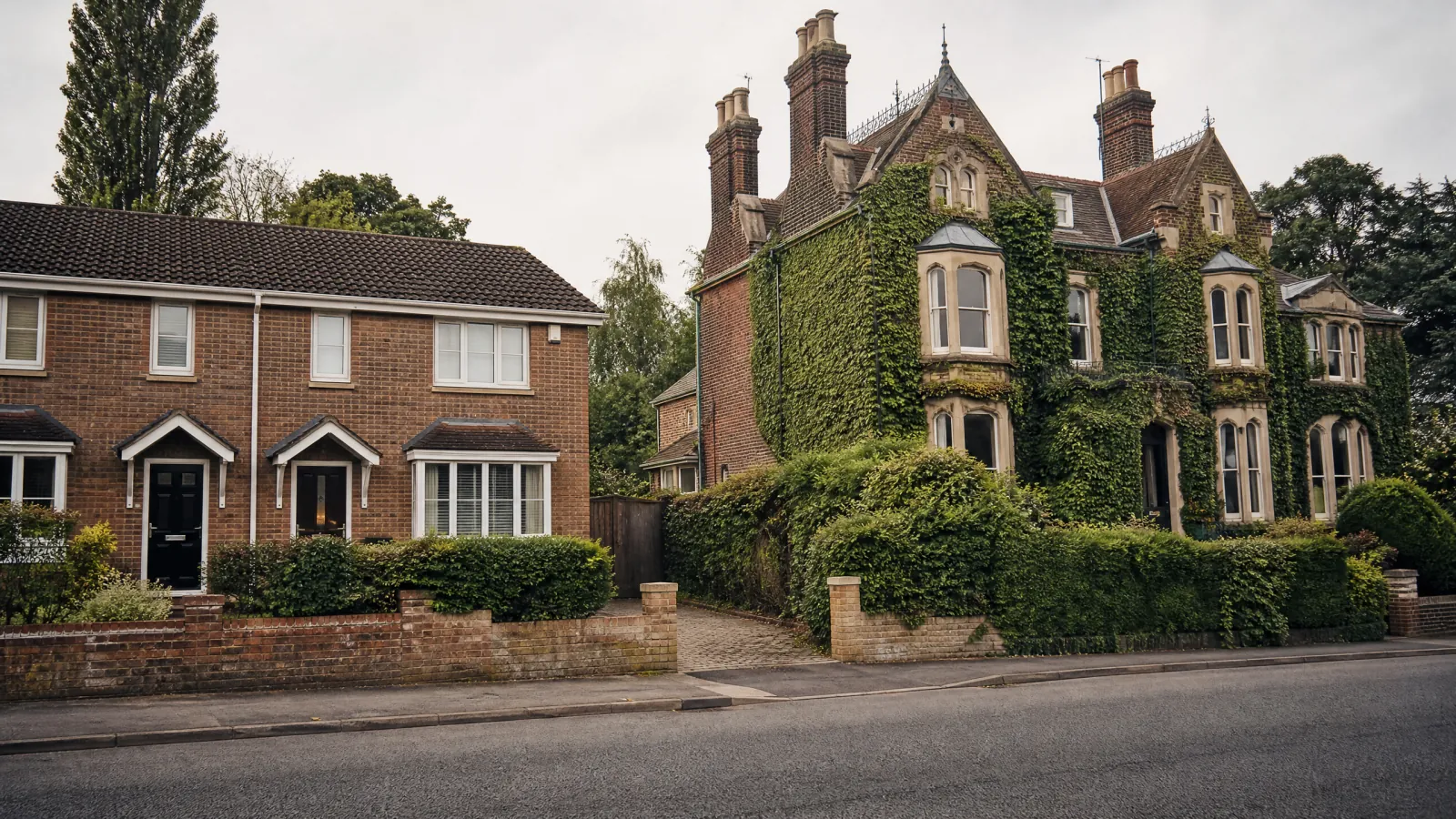
Most homes built in the last hundred years, and most modern flats, fit this. A Level 2 gives each part of the home a condition rating, flags anything that needs a closer look, and lists questions for your conveyancer. See what a Level 2 covers.
When to choose a Level 3 survey
- The home is roughly pre-1920, such as a Victorian or Edwardian terrace, or is listed.
- It is built in an unusual way: timber frame, steel frame, concrete panels, thatch or cob.
- It has been extended, converted or knocked through, or has a loft conversion.
- It looks run down, has visible cracks or damp, or has been empty a while.
- You plan to renovate, extend or move walls.
- It is a large or high-value home where a missed problem would cost more.
A Level 3 explains why something is happening, not just that it is. That matters most on older homes, where the right repair is often different from the obvious one. See what a Level 3 covers, and our guide to surveying older homes.
Should I add a valuation?
Add one if you want your own surveyor's view of what the home is worth, separate from your lender. It is useful when you think you might be overpaying, when a lender's valuation comes in low, or when you want a rebuild cost for buildings insurance. The Level 2 + Valuation is from £442 + VAT and the Level 3 + Valuation is from £567 + VAT.
Price is set by the home's value
ClearQuote guide prices are set by the property's value, not its postcode, so a survey in London costs the same as one in Leeds. Prices are based on previous clients and your final fee depends on the property; it is confirmed on your quote before you book. See the full house survey cost guide.
Still not sure?
If you are torn between the two, the home is probably old or altered enough to justify a Level 3. The extra detail costs far less than most of the repairs it helps you plan for. You can also call us and describe the home; we will tell you which survey fits.
Sources
- RICS Home Survey Standard (RICS)
- Description of the RICS Home Survey Level 2 (RICS, PDF)
- Description of the RICS Home Survey Level 3 (RICS, PDF)
This guide is general information, not legal or financial advice. Your conveyancer and lender advise on your purchase.
How we write our guides. Written by the ClearQuote team from the RICS Home Survey Standard and official UK guidance, and updated when that guidance changes. This is general information, not advice about a specific property: your surveyor’s report covers the home you are buying.