
What the survey covers
- The flat: walls, ceilings, floors, windows, doors, damp, services and fittings.
- Shared parts the surveyor can see and reach: roof, external walls, stairs, landings, entrance, bin and bike stores.
- Signs that the building is not being maintained, which may affect future service charges.
- Anything with a legal angle, such as alterations inside the flat that may need the freeholder's consent.
What your conveyancer checks
| Item | Why it matters |
|---|---|
| Lease length | Shorter leases can be harder to mortgage and more costly to extend |
| Service charge and reserve fund | Big planned works can mean large future bills |
| Ground rent | Terms affect cost and, in some cases, mortgage options |
| Cladding and fire safety | Some lenders ask for an EWS1 form on certain buildings |
| Building safety protections | The Building Safety Act 2022 limits what some leaseholders pay for historic safety defects |
Which survey for which flat
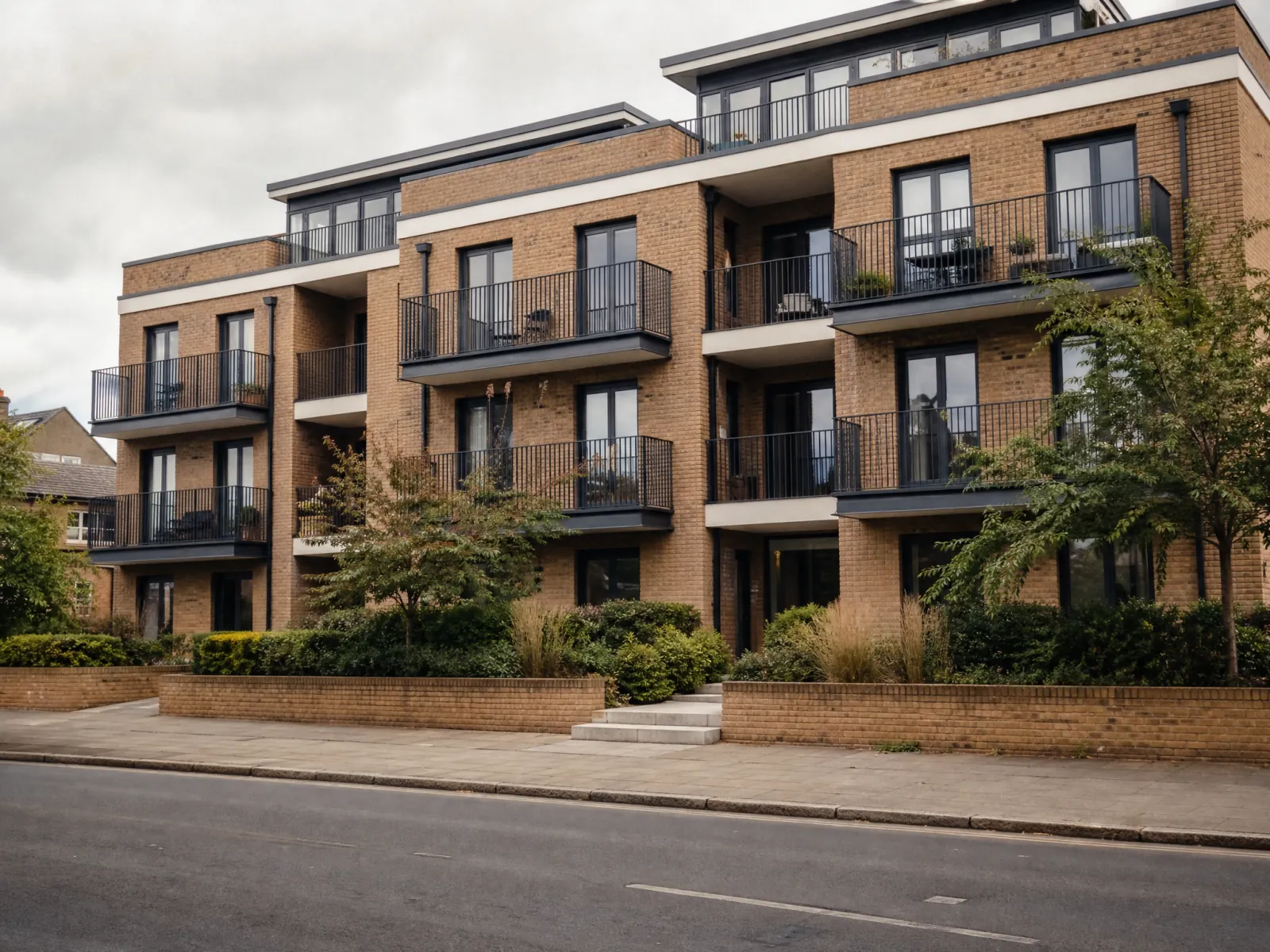
- Purpose-built flat in reasonable condition: RICS Level 2, from £400 + VAT.
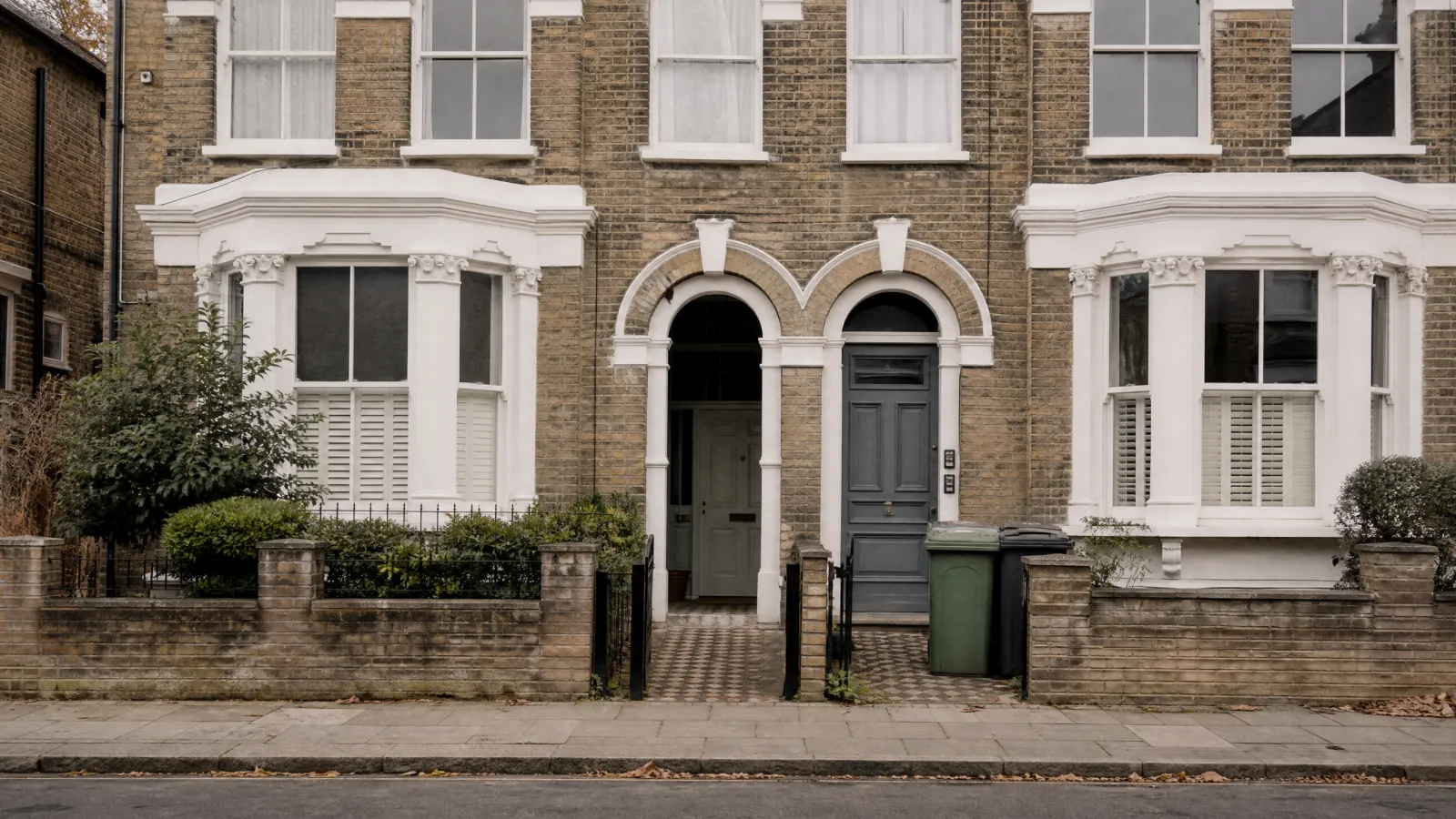
- Flat in a converted Victorian or Edwardian house: RICS Level 3, from £525 + VAT. You share the roof, walls and drains with your neighbours.
- Flat in a listed building or mansion block: Level 3.
- New-build flat: a snagging inspection, plus your conveyancer's checks on the lease and building safety.
Flats in our area guides
Mill conversions in Manchester, Tyneside flats in Newcastle, Georgian conversions in Bristol, waterfront blocks in Cardiff and Southampton, and conversions and towers across London.
Sources
This guide is general information, not legal or financial advice. Your conveyancer and lender advise on your purchase.
How we write our guides. Written by the ClearQuote team from the RICS Home Survey Standard and official UK guidance, and updated when that guidance changes. This is general information, not advice about a specific property: your surveyor’s report covers the home you are buying.