
1. Read the summary first
Start with the summary and every rating 3. Then read the rating 2s. Note anything the surveyor says needs further investigation; that is a gap in what is known, not a verdict. If something is unclear, call the surveyor. A short conversation often tells you more than a page of text.
2. Get quotes, not guesses
- Ask the right specialist: a roofer for the roof, an electrician for wiring, a structural engineer for cracks, a damp specialist who will explain the cause rather than sell a treatment.
- Get written quotes where you can. A seller and their agent take a quote far more seriously than a guess.
- For damp in older homes, be wary of anyone who goes straight to chemical injection. Many damp problems come from gutters, ground levels or the wrong pointing.
3. Decide what to ask for
| Option | When it suits | Watch out for |
|---|---|---|
| Seller fixes it before completion | Clear, contained jobs | You don't control the quality; ask for invoices and any guarantees |
| Price reduction | Bigger or uncertain jobs you'd rather manage yourself | Base the request on quotes, not the full list of every rating 2 |
| Retention | Your lender holds back part of the loan until work is done | Only some lenders offer this; your broker can check |
| Walk away | Costs are too high or the risk too uncertain | You lose costs already spent, such as the survey and some legal fees |
4. Renegotiate calmly
Send the agent the relevant extracts and the quotes, and ask for a specific figure. Keep it to the serious items. Asking for money off every minor rating 2 tends to stall a sale; asking for a fair amount on the rating 3s, backed by quotes, tends to move it.
5. Tell your conveyancer
Pass on the legal points the surveyor flagged: building regulations sign-off for extensions or removed walls, guarantees for damp or timber treatments, and anything about boundaries, shared drains or a lease. Your conveyancer raises these with the seller's solicitor.
Common findings
- Damp: often from gutters, high ground levels or blocked air bricks. See what a survey checks.
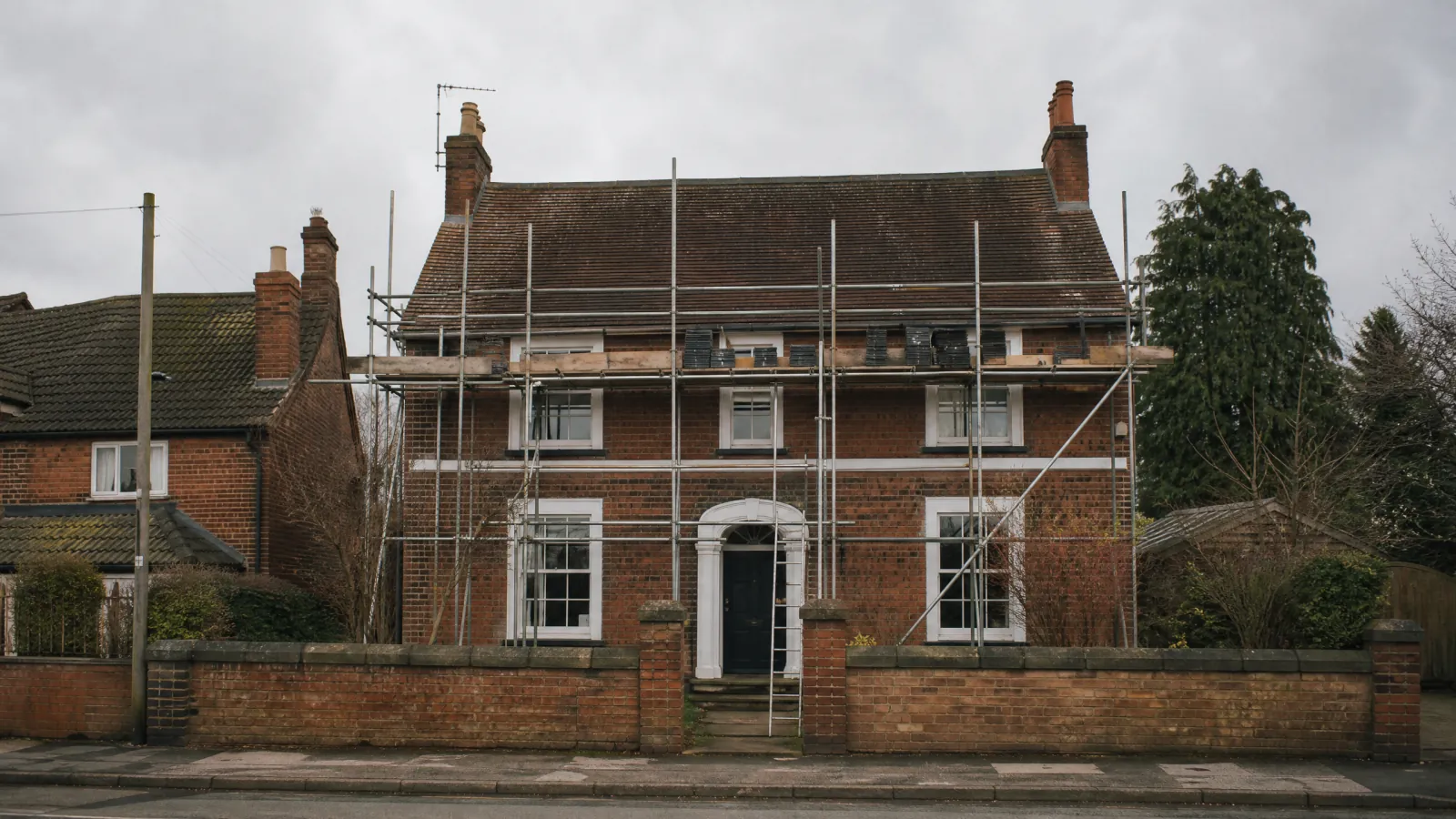
- Roof: slipped slates, worn flashings or an older covering nearing the end of its life.
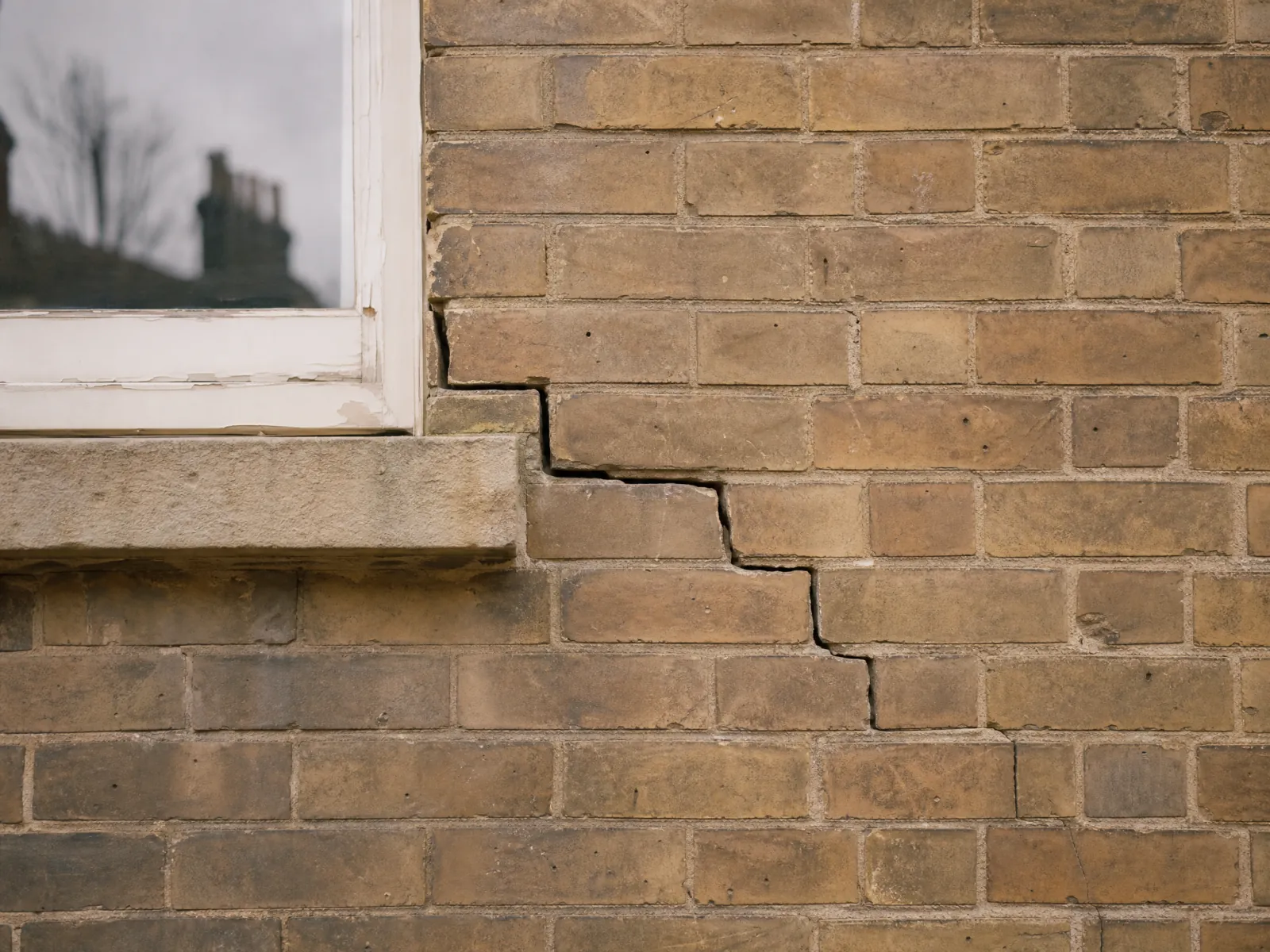
- Cracking: many cracks are old and stable; the surveyor says when an engineer should look.
- Electrics: an older consumer unit or wiring, usually with advice to get a test. See old wiring and EICRs.
- Asbestos: suspected in older textured coatings, boards or roof sheets. See asbestos on a survey.
- Removed chimney breasts or walls: a question about support and building regulations sign-off.
Sources
This guide is general information, not legal or financial advice. Your conveyancer and lender advise on your purchase.
How we write our guides. Written by the ClearQuote team from the RICS Home Survey Standard and official UK guidance, and updated when that guidance changes. This is general information, not advice about a specific property: your surveyor’s report covers the home you are buying.