
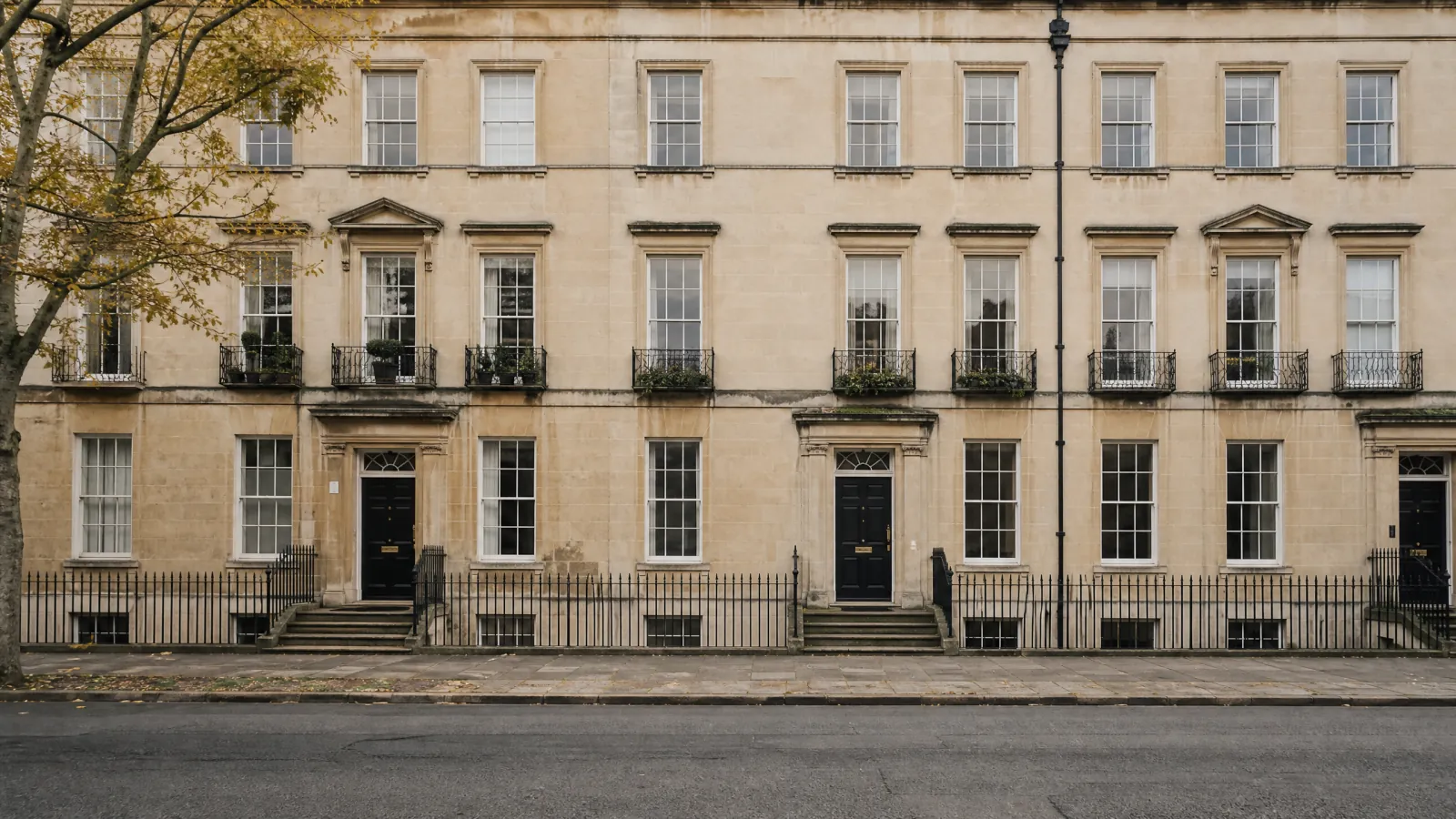
Why older homes are different
Most homes built before about 1920 have solid walls with no cavity, lime mortar and timber floors close to the ground. They were designed to let moisture in and out. Modern materials such as cement render, cement pointing, gypsum plaster and plastic paints can trap that moisture and cause the very damp they are meant to stop.
A Level 3 surveyor describes how the home is built and explains repairs that suit it, so you do not pay for the wrong fix.
What surveyors look for
- Damp and its causes: gutters, ground levels, blocked air bricks, cement render or pointing.
- Movement: bay windows on shallow footings, old cracking, leaning chimneys.
- Removed chimney breasts and walls, and whether support was added.
- Roof timbers, valley gutters and parapets on terraces.
- Timber decay and woodworm in floors and roof spaces.
- Past alterations, such as extensions, loft rooms and knocked-through rooms.
Listed buildings and conservation areas
Changes to a listed building that affect its character need listed building consent from the local council. Unauthorised work can be a criminal offence, and enforcement can pass to the new owner. Your surveyor notes changes such as replacement windows or removed features; your conveyancer checks the consents.
Conservation areas add controls on things like front windows, doors and boundary walls. See local examples on our Bristol, Liverpool and London pages.
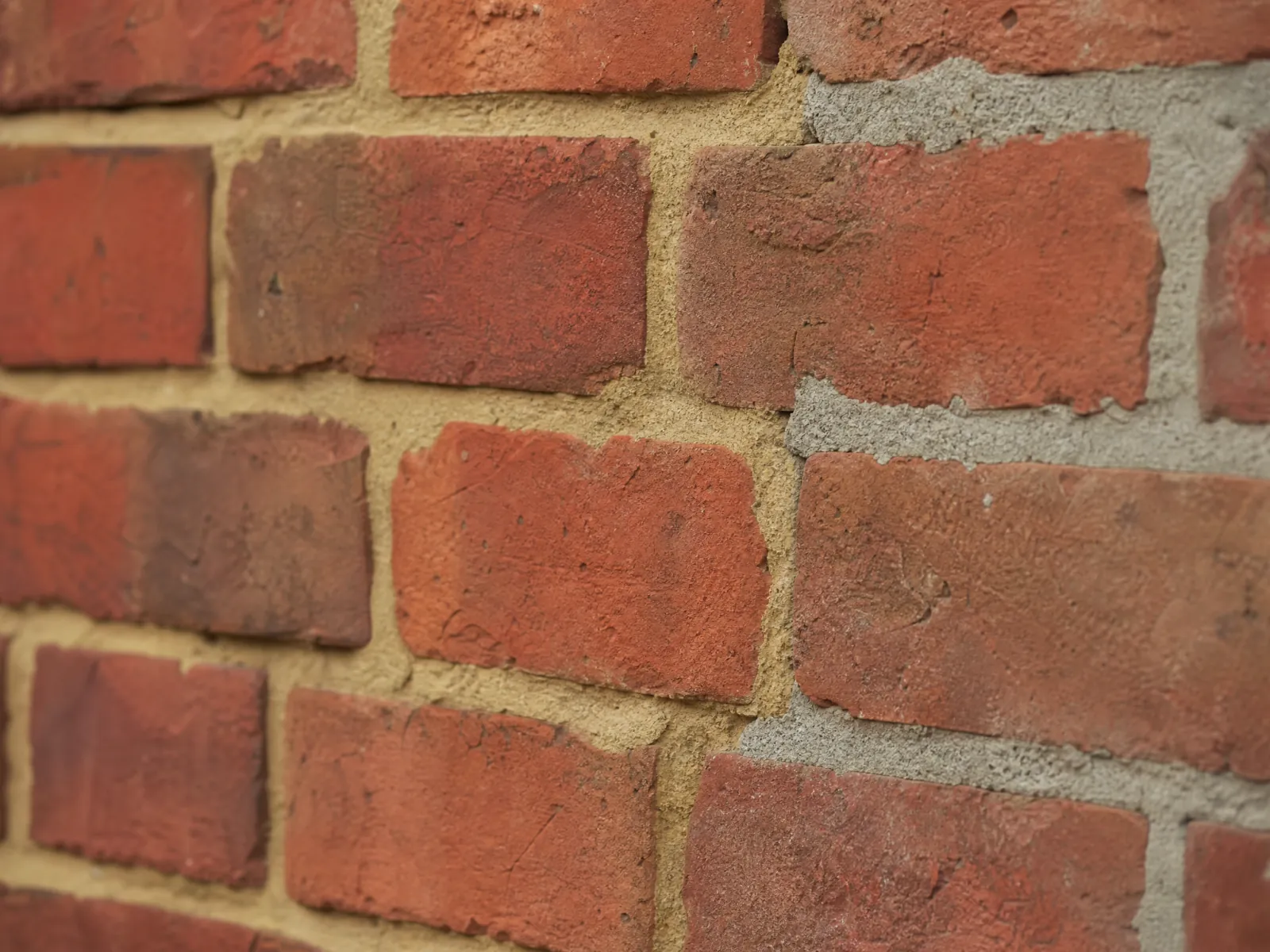
Non-traditional construction
Some homes, many built after the Second World War, use concrete panels, steel frames or timber frames instead of brick and block. Certain precast reinforced concrete house types were designated defective by law in the 1980s. Some lenders will not lend on them unless they have been repaired under an approved scheme with a certificate.
Your surveyor will say if a home is non-traditional. Tell us when you book if you know, choose a Level 3, and check your lender's rules early.
Local older homes we survey
Victorian terraces in Manchester and Leicester, back-to-backs in Leeds, Pennant stone in Bristol, Tyneside flats in Newcastle, and valley terraces in Bridgend. Each local page explains what surveyors look for there.
Sources
- Description of the RICS Home Survey Level 3 (RICS, PDF)
- Planning (Listed Buildings and Conservation Areas) Act 1990
- Housing Act 1985, Part 16: assistance for owners of defective housing
This guide is general information, not legal or financial advice. Your conveyancer and lender advise on your purchase.
How we write our guides. Written by the ClearQuote team from the RICS Home Survey Standard and official UK guidance, and updated when that guidance changes. This is general information, not advice about a specific property: your surveyor’s report covers the home you are buying.