
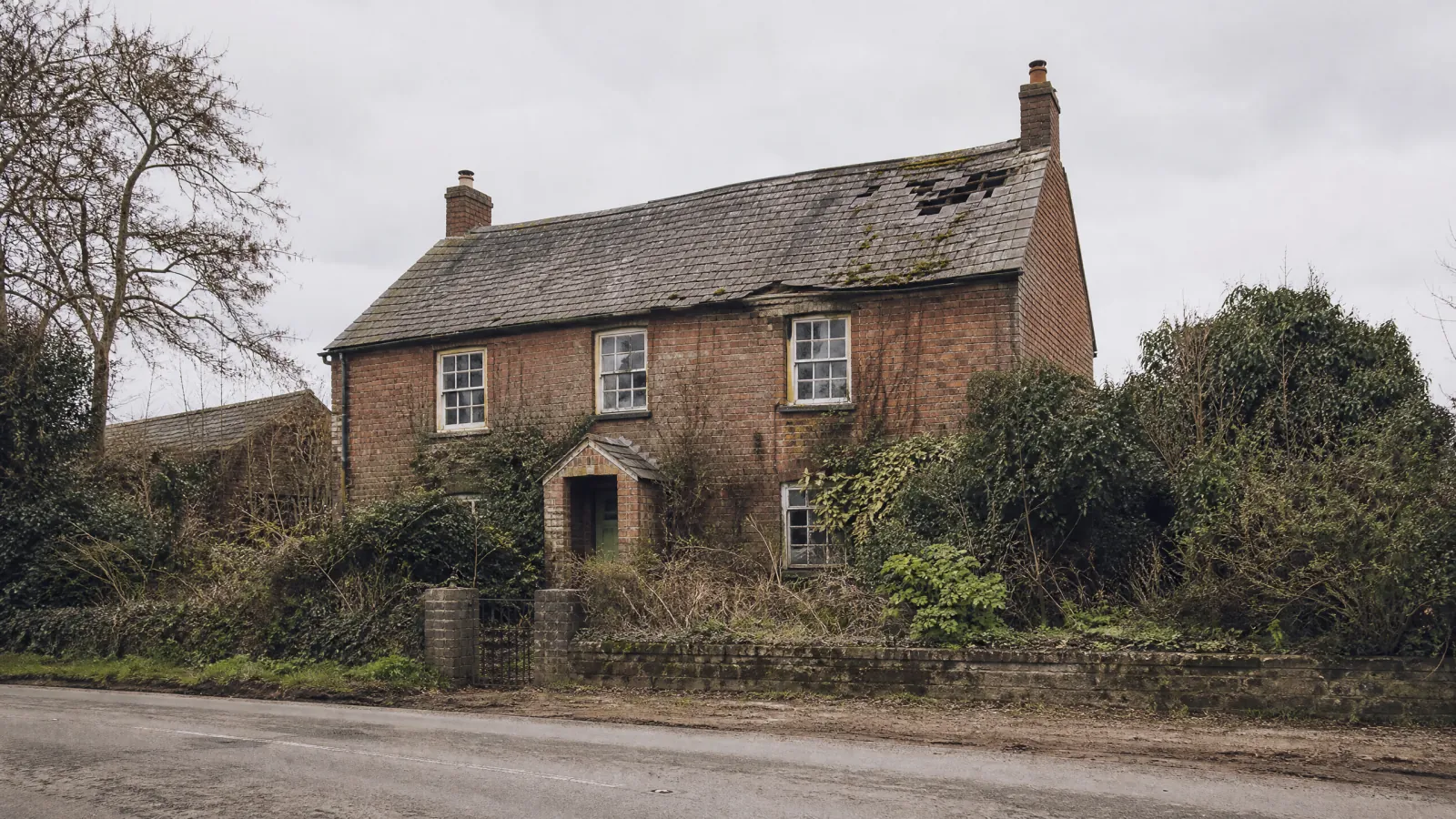
Red flags worth taking seriously
| Finding | Why it matters | What to do |
|---|---|---|
| Active structural movement | Can be costly and hard to insure | Structural engineer's report before exchange |
| Serious roof failure | Roof replacement is a major cost | Roofer's quote |
| Wet rot or dry rot in timbers | Can spread and weaken floors and roofs | Specialist inspection and quote |
| Untreated knotweed near the house | Can affect mortgage and insurance | Specialist survey and treatment plan |
| Non-traditional construction | Some lenders won't lend on certain types | Check your lender's rules |
| Unauthorised extensions or removed walls | Can mean safety and legal problems | Conveyancer checks; engineer if needed |
| Flats: cladding or fire safety issues | Can affect sale, mortgage and costs | Conveyancer and lender checks |
Problems that sound worse than they are
- Old, stable cracks.
- Condensation and mould from poor ventilation.
- Dated kitchens, bathrooms and decoration.
- An older boiler or consumer unit that needs a service or test.
These are usually maintenance or upgrade costs, not reasons to walk away.
How to decide
- Get written quotes for the serious items.
- Add them up and compare with the price and your budget.
- Ask whether your lender and insurer are comfortable.
- Renegotiate, ask the seller to fix it, or walk away.
You are not committed until you exchange contracts. See what to do if your survey finds problems.
Sources
General information, not legal or financial advice. Your conveyancer and lender advise on your purchase.
How we write our guides. Written by the ClearQuote team from the RICS Home Survey Standard and official UK guidance, and updated when that guidance changes. This is general information, not advice about a specific property: your surveyor’s report covers the home you are buying.