
Why it matters
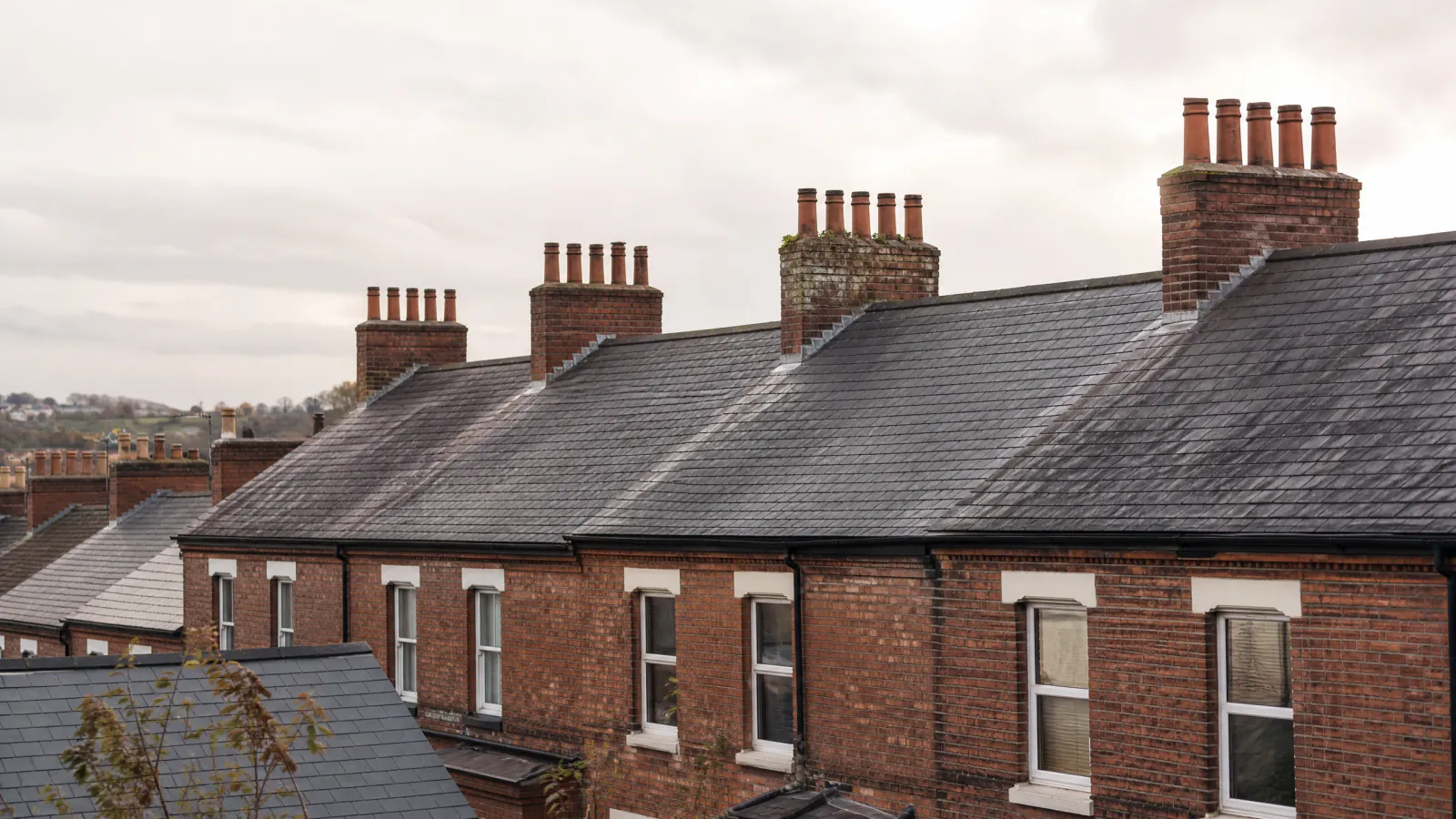
Chimney breasts are heavy masonry. In terraced and semi-detached homes, the stack is often shared with next door. If the breast is taken out downstairs but the masonry above is left without proper support, it can move or, in bad cases, fail.
What surveyors look for
- A chimney stack on the roof but no breast in the rooms below.
- Cracks or sagging in ceilings and walls under where a breast used to be.
- Signs of support in the loft or at the ceiling line.
- Whether the breast was removed on one floor and left on another.
Paperwork to ask for
- A building regulations completion certificate from the council or an approved inspector.
- A structural engineer's calculations and design for the support.
- If the stack is shared, evidence that the neighbour was told under the Party Wall etc. Act 1996.
Older supports called gallows brackets were common in the past. Today, building control usually expects support designed by an engineer, so ask how it was done.
If there's no paperwork
- Ask your surveyor whether an engineer should inspect.
- Your conveyancer may suggest indemnity insurance, which covers some legal costs but doesn't make the structure safe. It can also be invalid if the council has already been contacted.
- Get a quote for any work needed and use it to negotiate.
This comes up often in Manchester, Leeds and London terraces. A Level 3 survey is usually the better choice for homes with this kind of alteration.
Sources
General information, not legal or financial advice. Your conveyancer and lender advise on your purchase.
How we write our guides. Written by the ClearQuote team from the RICS Home Survey Standard and official UK guidance, and updated when that guidance changes. This is general information, not advice about a specific property: your surveyor’s report covers the home you are buying.